
Wι𝝉ℎ𝜊ŭṫ Rè𝖌ιśṫèř𝞲ȵ𝖌 Apollo 13 Free Movie
♦♦ ﹡﹡﹡﹡﹡﹡﹡﹡﹡﹡
♦♦ 
♦♦ 
♦♦ ✻✻✻✻✻✻✻✻✻✻

Writer: Cecco dei Piantoni
Bio: Walk the line
Casts Tom Hanks / Directed by Ron Howard / USA / Score 254196 Vote / writer Jim Lovell / Apollo 13 is a movie starring Tom Hanks, Bill Paxton, and Kevin Bacon. NASA must devise a strategy to return Apollo 13 to Earth safely after the spacecraft undergoes massive internal damage putting the lives of the three astronauts. Excellent movie, highly ptivating, filled with humor, drama and so very touching. Failure to accurately depict actual events is an option.  Apollo 13 power up. Are u trollimng ME. Apollo 13 movie clips. Apollo 13 real footage. Apollo 13 commander. Apollo 13 ending.
Apollo 13 facts. Apollo 13 reentry. Apollo 13 avril. The umbilicals pulling away from the Saturn V at launch... I have no words for eedom, danger, independence, fearlessness and overwhelming power. I am happy to have lived in those days. The best is yet to come. Apollo 12 art robert watts. Loved this and the davinci code. i read the books first and the movie does them justice. can't wait until the next one.
Apollo 13 movie cast. Apollo 13or.
Apollo 137. Astronauts Jim Lovell, Fred Haise, And Jack Swigert Find Everything Going According To Plan After Leaving Earth's Orbit. Shotlist { "template": "basic", "thumbnail": ", "tags": [ "popcorn"], "name": "Apollo 13 (1995)", "description": "Astronauts Jim Lovell, Fred Haise, And Jack Swigert Find Everything Going According To Plan After Leaving Earth's Orbit. ", "media": [ { "id": "Media0", "name": "Media0", "url": "#t=, 8391. 084", "target": "video", "duration": 8391. 084, "popcornOptions": { "frameAnimation": true}, "controls": true, "tracks": [ "name": "Video", "id": "10", "order": 0, "trackEvents": [ "id": "TrackEvent10", "type": "sequencer", "source": [ " 4? butteruid=1542756815043"], "fallback": "", "denied": false, "start": 0, "end": 8391. 084, "type": "Archive", "thumbnailSrc": " ", "from": 0, "title": "Apollo 13", "linkback": ", "contentType": "", "hidden": false, "target": "video-container", "width": 100, "height": 100, "top": 0, "left": 0, "volume": 100, "mute": false, "zindex": 1000, "id": "TrackEvent10"}, "track": "10", "name": "TrackEvent10"}]}], "clipData": [], "currentTime": 0}], "targets": [ "id": "Target0", "name": "video-container", "element": "video-container"}]} Addeddate 2018-11-22 05:29:44 Identifier Popcornarchive-apollo131995 comment Reviews There are no reviews yet. Be the first one to write a review.
Apollo 135. Nominated for 9 Academy Awards (but not best director. Apollo 13" is a little sterile, filled with techno-speak that sometimes makes the action difficult to follow, but, overall, it is a good film, very deserving of its Oscar nomination for best picture. Tom Hanks, sacrificing the spotlight to do ensemble duty with Bill Paxton and Kevin Bacon, is terrific, of course, completely natural as astronaut Jim Lovett, and, as always, eminently likeable. The entire cast is equally fine. James Horner's Oscar nominated score, however, should have been disqualified on the grounds that it sounds suspiciously like the melody of Art Garfunkel's 1973 hit, All I Know." Am I the only one who noticed that.
Apollo 13 strain. We went all the way to the moon to discover the earth 👩🎓. Facts Status Released Release Information June 22, 1995 Meaning Some material may not be suitable for children under 10. These films may contain some mild language, crude/suggestive humor, scary moments and/or violence. No drug content is present. There are a few exceptions to this rule. A few racial insults may also be heard. September 12, 2002 Premiere June 30, 1995 September 20, 2002 Theatrical March 29, 2005 April 13, 2010 Original Language English Runtime 2h 20m Budget $52, 000, 000. 00 Revenue $355, 237, 933. 00 Genres Drama History Keywords moon florida nasa spaceman race against time houston based on a true story space rescue survival disaster explosion astronaut imax saturn v rocket courage hypothermia apollo program cape kennedy lunar mission spacecraft accident.
Apollo 11 coins. Apollo 13 crew. Apollo 13. What a great movie. Apollo 13 deaths. I have watched Apollo 13 many times and each viewing seems as fresh, as fascinating and as gut-churning as the first.
I am old enough that I can still remember listening to the Apollo 11 moon landing on the radio, and how it seemed we held our breath for days on end during the enthralling and gut-wrenching saga of the Apollo 13 mission not very long after.
This movie recreates that intense sense of fear, awe and trepidation that burned in my young mind while the world fretted over the fate of the three astronauts in such peril.
Ron Howard directs masterfully, enabling a brilliant cast to excel at portraying the attitudes and attributes of the early generation of US astronauts and NASA personnel.
Unusually for a 'true story' Apollo 13 is remarkably correct factually and takes only the very slightest dramatic license with minor details. The representation of the spacecraft and the technical settings is incredibly accurate (I believe that the mission control sequences were actually filmed in the genuine mission control room at Houston space center.) The film would still be fascinating, entertaining, dramatic, humorous and emotional if it were merely fiction. Knowing that this superb movie retains all those qualities while being the true story of an event - that I still remember with powerful emotion - lifts it from the realm of good movies to the ranks of all-time classic masterpieces of cinema.
Apollo 13 1995. Apollo 13 en ligne depuis. Apollo 13 pictures. I cannot watch this without major goosebumps and misty eyes. Such an accomplishment, such courage. 0:55 so that is why they never landed at the moon. cough soviet joke. Apollo 13 wiki. Apollo 12. Apollo 13 quotes. Apollo 13 ans. Apollo 13 crew members. What is onme bravo and onme Charlie I keep hearing 13 being asked to switch to. No they didn't say that it's all Hollywood just like everything you see on tv. Apollo 17. Apollo 13 mars. Apollo 15. Apollo 11. Apollo 13 is a 1995 American space docudrama film directed by Ron Howard and starring Tom Hanks, Kevin Bacon, Bill Paxton, Gary Sinise, and Ed Harris. The screenplay by William Broyles Jr. and Al Reinert dramatizes the aborted 1970 Apollo 13 lunar mission and is an adaptation of the book Lost Moon: The Perilous Voyage of Apollo 13 by astronaut Jim Lovell and Jeffrey Kluger. The film depicts astronauts Lovell, Jack Swigert, and Fred Haise aboard Apollo 13 for America's third Moon landing mission. En route, an on-board explosion deprives their spacecraft of most of its oxygen supply and electric power, forcing NASA 's flight controllers to abort the Moon landing, and turning the mission into a struggle to get the three men home safely. Howard went to great lengths to create a technically accurate movie, employing NASA 's technical assistance in astronaut and flight controller training for his cast, and obtaining permission to film scenes aboard a reduced gravity aircraft for realistic depiction of the " weightlessness " experienced by the astronauts in space. Released to cinemas in the United States on June 30, 1995, [3] Apollo 13 was nominated for nine Academy Awards, including Best Picture (winning for Best Film Editing and Best Sound). [4] In total, the film grossed over $355 million worldwide during its theatrical releases. The film was very positively received by critics. Plot In July 1969, astronaut Jim Lovell hosts a house party where guests watch Neil Armstrong 's televised first human steps on the Moon. Afterwards Lovell, who had orbited the Moon on Apollo 8, tells his wife Marilyn that he intends to return to the Moon to walk on its surface. Three months later, as Lovell conducts a VIP tour of NASA's Vertical Assembly Building, his boss Deke Slayton informs him that because of problems with Alan Shepard 's crew, his crew will fly Apollo 13 instead of 14. Lovell, Ken Mattingly, and Fred Haise train for their new mission. A few days before launch, Mattingly is exposed to German Measles, and the flight surgeon demands his replacement with Mattingly's backup, Jack Swigert. Lovell resists breaking up his team, but relents when Slayton threatens to bump his crew to a later mission. As the launch date approaches, Marilyn has a nightmare about her husband getting killed in space, but goes to the Kennedy Space Center the night before launch to see him off. On April 11, 1970, Flight Director Gene Kranz gives the go-ahead from Houston's Mission Control Center for the Apollo 13 launch. As the Saturn V rocket climbs through the atmosphere, a second stage engine cuts off prematurely, but the craft reaches its Earth parking orbit. After the third stage fires to send Apollo 13 to the Moon, Swigert performs the maneuver to connect the command module Odyssey to the Lunar Module Aquarius and pull it away from the spent rocket. Three days into the mission, the crew makes a television transmission, which the networks decline to broadcast live. After Swigert turns on the liquid oxygen tank stirring fans as requested, one of the tanks explodes, emptying its contents into space and sending the craft tumbling. The other tank is soon found to be leaking. They attempt to stop the leak by shutting off fuel cells #1 and #3, but to no avail. With the fuel cells closed, the Moon landing must be aborted, and Lovell and Haise must hurriedly power up Aquarius to use as a "lifeboat" for the return home, as Swigert shuts down Odyssey before its battery power runs out. In Houston, Kranz rallies his team to come up with a plan to bring the astronauts home safely, declaring "failure is not an option". Controller John Aaron recruits Mattingly to help him invent a procedure to restart Odyssey for the landing on Earth. As Swigert and Haise watch the Moon pass beneath them, Lovell laments his lost chance of walking on its surface, then turns their attention to the business of getting home. With Aquarius running on minimal electrical power, the crew suffers freezing conditions, and Haise contracts a urinary infection and resulting fever. Swigert suspects Mission Control is withholding their inability to get them home; Haise angrily blames Swigert's inexperience for the accident; and Lovell quickly squelches the argument. When carbon dioxide approaches dangerous levels, ground control must quickly invent a way to make the command module's square filters work in the Lunar Module's round receptacles. With the guidance systems on Aquarius shut down, the crew must make a difficult but vital course correction by manually igniting the Lunar Module's engine. Mattingly and Aaron struggle to find a way to turn on the command module systems without drawing too much power, and finally transmit the procedure to Swigert, who restarts Odyssey by transferring extra power from Aquarius. When the crew jettisons the service module, they are surprised to see the extent of the damage. As they release Aquarius and re-enter the Earth's atmosphere, no one is sure that Odyssey ' s heat shield is intact. The tense period of radio silence due to ionization blackout is longer than normal, but the astronauts report all is well and splash down in the Pacific Ocean. As helicopters bring the three men aboard the recovery ship USS Iwo Jima for a hero's welcome, Lovell's voice-over describes the subsequent investigation into the explosion, and the careers of Haise, Swigert, Mattingly, and Kranz. He wonders if and when mankind will return to the Moon. Cast Apollo Flight Crew: Tom Hanks as Apollo 13 Commander Jim Lovell: Jim Lovell stated that before his book Lost Moon was even written, the movie rights were being shopped to potential buyers [5] and that his first reaction was that Kevin Costner would be a good choice to play him. [5] However, by the time Howard acquired the director's position, Costner's name never came up in serious discussion, and Hanks had already been interested in doing a film based on Apollo 13. When Hanks' representative informed him that a script was being passed around, he had the script sent to him. [5] John Travolta was initially offered the role of Lovell, but declined. [7] Kevin Bacon as Apollo 13 backup Command Module Pilot Jack Swigert [8] Bill Paxton as Apollo 13 Lunar Module Pilot Fred Haise Mission Control: Gary Sinise as Apollo 13 prime Command Module Pilot Ken Mattingly: Sinise was invited by Howard to read for any of the characters, and chose Mattingly. [5] Ed Harris as White Team Flight Director Gene Kranz: Harris described the film as "cramming for a final exam. " Harris described Gene Kranz as "corny and like a dinosaur", but respected by the crew. [5] Apollo 13 would be Harris' second space travel-themed movie; he had starred as pioneering astronaut John Glenn in 1983's The Right Stuff. Chris Ellis as Director of Flight Crew Operations Deke Slayton Joe Spano as "NASA Director", a composite character loosely based on Chris Kraft Marc McClure as Black Team Flight Director Glynn Lunney Clint Howard as White Team Electrical, Environmental and Consumables Manager (EECOM) Sy Liebergot Ray McKinnon as White Team Flight Dynamics Officer Jerry Bostick Todd Louiso as White Team Flight Activities Officer Loren Dean as EECOM John Aaron Jim Meskimen as White Team Telemetry, Electrical, EVA Mobility Unit Officer (TELMU) David Andrews as Apollo 12 Commander Pete Conrad Christian Clemenson as Flight Surgeon Dr. Charles Berry Ben Marley as Apollo 13 backup Commander John Young Brett Cullen as Capsule Communicator (CAPCOM) 1 Ned Vaughn as CAPCOM 2 Carl Gabriel Yorke as SIM (Simulator) 1 Arthur Senzy as SIM 2 Civilians: Kathleen Quinlan as Marilyn Gerlach Lovell, Jim's wife Xander Berkeley as Henry Hurt, a fictional NASA Office of Public Affairs staff member [9] Tracy Reiner as Haise's wife Mary Mark Wheeler as Neil Armstrong, Apollo 11 Commander Larry Williams as Buzz Aldrin, Apollo 11 Lunar Module Pilot Mary Kate Schellhardt as Lovell's older daughter Barbara Max Elliott Slade as Lovell's older son James (Jay), who attended military school at the time of the flight Emily Ann Lloyd as Lovell's younger daughter Susan Miko Hughes as Lovell's younger son Jeffrey The real Jim Lovell appears as captain of the recovery ship USS Iwo Jima; Howard had intended to make him an admiral, but Lovell himself, having retired as a captain, chose to appear in his actual rank. Horror film director Roger Corman, a mentor of Howard, appears as a congressman being given a VIP tour by Lovell of the Vehicle Assembly Building, as it had become something of a tradition for Corman to make a cameo appearance in his protégés' films. [10] The real Marilyn Lovell appeared among the spectators during the launch sequence. CBS News anchor Walter Cronkite appears in archive news footage and can be heard in newly recorded announcements, some of which he edited himself to sound more authentic. In addition to his brother, Clint Howard, several other members of Ron Howard's family appear in the movie: Rance Howard (his father) appears as the Lovell family minister. Jean Speegle Howard (his mother) appears as Lovell's mother Blanch. Cheryl Howard (his wife) and Bryce Dallas Howard (his daughter) appear as uncredited background performers in the scene where the astronauts wave goodbye to their families. Brad Pitt was offered a role in the film, but turned it down to star in Se7en. [12] Reportedly, the real Pete Conrad expressed interest in appearing in the film. Jeffrey Kluger appears as a television reporter. Production Preproduction and props The screenplay by William Broyles Jr. and Al Reinert was rewritten by John Sayles after Hanks had been cast and construction of the spacecraft sets had begun. [13] While planning the film, director Ron Howard decided that every shot of the film would be original and that no mission footage would be used. [14] The spacecraft interiors were constructed by the Kansas Cosmosphere and Space Center 's Space Works, which also restored the Apollo 13 command module. Two individual Lunar Modules and two command modules were constructed for filming. While each was a replica, composed of some of the original Apollo materials, they were built so that different sections were removable, which enabled filming to take place inside the capsules. Space Works also built modified Command and Lunar Modules for filming inside a Boeing KC-135 reduced-gravity aircraft, and the pressure suits worn by the actors, which are exact reproductions of those worn by the Apollo astronauts, right down to the detail of being airtight. When suited up with their helmets locked in place, the actors were cooled by air pumped into the suits, and so that they could breathe, exactly as in launch preparations for the real Apollo missions. [15] The real Mission Control Center consisted of two control rooms located on the second and third floors of Building 30 at the Johnson Space Center in Houston, Texas. NASA offered the use of the control room for filming, but Howard declined, opting instead to make his own replica from scratch. [14] Production designer Michael Corenblith and set decorator Merideth Boswell were in charge of the construction of the Mission Control set at Universal Studios. The set was equipped with giant rear-screen projection capabilities and a complex set of computers with individual video feeds to all the flight controller stations. The actors playing the flight controllers were able to communicate with each other on a private audio loop. [15] The Mission Control room built for the film was on the ground floor. [14] One NASA employee, who was a consultant for the film, said that the set was so realistic that he would leave at the end of the day and look for the elevator before remembering he was not in Mission Control. By the time the film was made, the USS Iwo Jima had been scrapped, so her sister ship, the USS New Orleans, was used as the recovery ship instead. [14] For actors, being able to actually shoot in zero gravity as opposed to being in incredibly painful and uncomfortable harnesses for special effects shots was all the difference between what would have been a horrible moviemaking experience as opposed to the completely glorious one that it actually was. —Tom Hanks [15] Howard anticipated difficulty in portraying weightlessness in a realistic manner. He discussed this with Steven Spielberg, who suggested using a KC-135 airplane, which can be flown in such a way as to create about 23 seconds of weightlessness, a method NASA has always used to train its astronauts for space flight. Howard obtained NASA's permission and assistance in filming in the realistic conditions aboard multiple KC-135 flights. [16] Cast training and filming In Los Angeles, Ed Harris and all the actors portraying flight controllers enrolled in a Flight Controller School led by Gerry Griffin, an Apollo 13 flight director, and flight controller Jerry Bostick. The actors studied audiotapes from the mission, reviewed hundreds of pages of NASA transcripts, and attended a crash course in physics. [14] [15] Astronaut Dave Scott was impressed with their efforts, stating that each actor was determined to make every scene technically correct, word for word. [5] Scott was the chief technological consultant for the film. [17] Soundtrack Professional ratings Review scores Source Rating AllMusic [18] [19] SoundtrackNet [20] Tracksounds [21] The score to Apollo 13 was composed and conducted by James Horner. The soundtrack was released in 1995 by MCA Records and has seven tracks of score, eight period songs used in the film, and seven tracks of dialogue by the actors at a running time of nearly seventy-eight minutes. The music also features solos by vocalist Annie Lennox and Tim Morrison on the trumpet. The score was a critical success and garnered Horner an Academy Award nomination for Best Original Score. [22] All music is composed by James Horner, except where noted. Apollo 13: Original Motion Picture Soundtrack No. Title Length 1. "Main Title" 1:32 2. "One Small Step" 0:42 3. " Night Train " (performed by James Brown, written by Jimmy Forrest, Lewis Simpkins and Oscar Washington) 3:27 4. " Groovin' " (performed by The Young Rascals) 2:26 5. " Somebody to Love " (performed by Jefferson Airplane) 2:55 6. " I Can See for Miles " (performed by The Who) 4:09 7. " Purple Haze " (performed by The Jimi Hendrix Experience) 2:48 8. "Launch Control" 3:28 9. "All Systems Go/The Launch" 6:39 10. "Welcome to Apollo 13" 0:38 11. " Spirit in the Sky " (performed and written by Norman Greenbaum) 3:50 12. "House Cleaning/Houston, We Have a Problem" 1:34 13. "Master Alarm" 2:54 14. "What's Going On? " 0:34 15. "Into the L. E. M. " 3:43 16. "Out of Time/Shut Her Down" 2:20 17. "The Darkside of the Moon" (performed by Annie Lennox) 5:09 18. "Failure is Not an Option" 1:18 19. " Honky Tonkin' " (performed and written by Hank Williams) 2:42 20. " Blue Moon " (performed by The Mavericks, written by Richard Rodgers and Lorenz Hart) 4:09 21. "Waiting for Disaster/A Privilege" 0:43 22. "Re-Entry & Splashdown" 9:05 23. "End Titles" (performed by Annie Lennox) 5:34 Release The film was released on June 30, 1995 in North America and on September 22, 1995 in the UK. In September 2002 the film was re-released in IMAX. It was the first film to be digitally remastered using IMAX DMR technology. [23] Box-office performance The film was a box-office success, bringing in $355, 237, 933 worldwide. [2] The film's widest release was 2, 347 theaters. [2] The film's opening weekend and the following two weeks placed it at #1 with a US gross of $25, 353, 380, which made up 14. 7% of the total US gross. [2] Apollo 13 box office revenue Source Gross ( US$)% Total All-time rank (unadjusted) North America $173, 837, 933 [2] 48. 9% 229 [2] Foreign $181, 400, 000 [2] 51. 1% N/A Worldwide $355, 237, 933 [2] 100. 0% 282 [2] Reception Review aggregator Rotten Tomatoes reports that the film has an overall approval rating of 95%, based on 88 reviews, with a weighted average rating of 8. 2/10. The site's critical consensus reads, "In recreating the troubled space mission, Apollo 13 pulls no punches: it's a masterfully told drama from director Ron Howard, bolstered by an ensemble of solid performances. " [24] Metacritic, which assigns a normalized rating to reviews from mainstream critics, gave the film an average score of 77 out of 100, based on 22 critics, indicating "generally favorable reviews". [25] Roger Ebert of the Chicago Sun-Times praised the film in his review saying: "A powerful story, one of the year's best films, told with great clarity and remarkable technical detail, and acted without pumped-up histrionics. " [26] Richard Corliss of Time highly praised the film, saying: "From lift-off to splashdown, Apollo 13 gives one hell of a ride. " [27] Edward Guthmann of San Francisco Chronicle gave a mixed review and wrote: "I just wish that Apollo 13 worked better as a movie, and that Howard's threshold for corn, mush and twinkly sentiment weren't so darn wide. " [28] Peter Travers of Rolling Stone praised the film and wrote: "Howard lays off the manipulation to tell the true story of the near-fatal 1970 Apollo 13 mission in painstaking and lively detail. It's easily Howard's best film. " [29] Janet Maslin made the film an NYT Critics' Pick, calling it an "absolutely thrilling" film that "unfolds with perfect immediacy, drawing viewers into the nail-biting suspense of a spellbinding true story. " According to Maslin, "like Quiz Show, Apollo 13 beautifully evokes recent history in ways that resonate strongly today. Cleverly nostalgic in its visual style ( Rita Ryack 's costumes are especially right), it harks back to movie making without phony heroics and to the strong spirit of community that enveloped the astronauts and their families. Amazingly, this film manages to seem refreshingly honest while still conforming to the three-act dramatic format of a standard Hollywood hit. It is far and away the best thing Mr. Howard has done (and Far and Away was one of the other kind). " [30] The academic critic Raymond Malewitz focuses on the DIY aspects of the "mailbox" filtration system to illustrate the emergence of an unlikely hero in late 20th-century American culture—"the creative, improvisational, but restrained thinker—who replaces the older prodigal cowboy heroes of American mythology and provides the country a better, more frugal example of an appropriate 'husband'. " [31] Marilyn Lovell praised Quinlan's portrayal of her, stating she felt she could feel what Quinlan's character was going through, and remembered how she felt in her mind. [5] Home media A 10th-anniversary DVD of the film was released in 2005; it included both the theatrical version and the IMAX version, along with several extras. [32] The IMAX version has a 1. 66:1 aspect ratio. [33] In 2006, Apollo 13 was released on HD DVD and on April 13, 2010 it was released on Blu-ray disc as the 15th-anniversary edition on the 40th anniversary of the Apollo 13 accident. [32] The Film was released on 4K UHD Blu-Ray on October 17, 2017. [34] Accolades Year Award Category Recipient Result Ref. 1996 Academy Awards (1996) Best Film Editing Mike Hill and Daniel Hanley Won [4] Best Sound Rick Dior, Steve Pederson, Scott Millan, and David MacMillan Best Actor in a Supporting Role Ed Harris (lost to Kevin Spacey in The Usual Suspects) Nominated Best Actress in a Supporting Role Kathleen Quinlan (lost to Mira Sorvino in Mighty Aphrodite) Best Art Direction Art Direction: Michael Corenblith; Set Decoration: Merideth Boswell (lost to Restoration) Best Original Dramatic Score James Horner (lost to Il Postino) Best Picture Brian Grazer (lost to Braveheart) Best Visual Effects Robert Legato, Michael Kanfer, Leslie Ekker, and Matt Sweeney (lost to Babe) Best Adapted Screenplay William Broyles Jr. and Al Reinert (lost to Sense and Sensibility) American Cinema Editors (Eddies) Best Edited Feature Film Mike Hill, Daniel P. Hanley American Society of Cinematographers Outstanding Achievement in Cinematography in Theatrical Releases Dean Cundey BAFTA Film Awards Best Production Design Michael Corenblith Outstanding Achievement in Special Visual Effects Robert Legato, Michael Kanfer, Matt Sweeney, Leslie Ekker Best Cinematography Dean Cundey Best Editing Mike Hill, Daniel Hanley Best Sound David MacMillan, Rick Dior, Scott Millan, Steve Pederson Casting Society of America (Artios) Best Casting for Feature Film, Drama Jane Jenkins, Janet Hirshenson Chicago Film Critics Association Awards Best Picture Apollo 13 Directors Guild of America Outstanding Directorial Achievement in Motion Pictures Ron Howard, Carl Clifford, Aldric La'Auli Porter, Jane Paul Golden Globe Awards Best Supporting Actor – Motion Picture Ed Harris as Gene Kranz Best Supporting Actress – Motion Picture Kathleen Quinlan as Marilyn Lovell Best Director – Motion Picture Ron Howard Best Motion Picture – Drama Heartland Film Festival Studio Crystal Heart Award Jeffrey Kluger Hugo Awards Best Dramatic Presentation MTV Movie Awards Best Male Performance Tom Hanks as Jim Lovell Best Movie PGA Awards Motion Picture Producer of the Year Award Brian Grazer, Todd Hallowell Saturn Awards Best Action / Adventure / Thriller Film Apollo 13 (lost to The Usual Suspects) Screen Actors Guild Awards Outstanding Performance by a Male Actor in a Supporting Role Outstanding Performance by a Cast Kevin Bacon, Tom Hanks, Ed Harris, Bill Paxton, Kathleen Quinlan, and Gary Sinise Space Foundation's Douglas S. Morrow Public Outreach Award Best Family Feature – Drama [35] Writers Guild of America Awards Best Screenplay Adapted from Another Medium William Broyles Jr., Al Reinert Young Artist Awards 2005 American Film Institute AFI's 100 Years... 100 Movie Quotes "Houston, we have a problem. " (#50) [36] 2006 AFI's 100 Years... 100 Cheers Apollo 13 (#12) Technical and historical accuracy Apollo 13 space capsule prop from the film The film depicts the crew hearing a bang quickly after Swigert followed directions from mission control to stir the oxygen and hydrogen tanks. In reality, the crew heard the bang 93 seconds later. [37] The film portrays the Saturn V launch vehicle being rolled out to the launch pad two days before launch. In reality, the launch vehicle was rolled out on the Mobile Launcher using the crawler-transporter weeks before the launch date. [ citation needed] The movie depicts Swigert and Haise arguing about who was at fault. The show The Real Story: Apollo 13 broadcast on the Smithsonian Channel includes Haise stating that no such argument took place and that there was no way anyone could have foreseen that stirring the tank would cause problems. [38] The dialogue between ground control and the astronauts was taken nearly verbatim from transcripts and recordings, with the exception of one of the taglines of the film, " Houston, we have a problem. " (This quote was voted #50 on the list " AFI's 100 Years... 100 Movie Quotes ". ) According to the mission transcript, the actual words uttered by Jack Swigert were "Hey, we've got a problem here" (talking over Haise, who had started "Okay, Houston"). Ground control responded by saying "This is Houston, say again please. " Jim Lovell then repeated, "Houston, we've had a problem. " [39] One other incorrect dialogue is after the re-entry blackout. In the movie, Tom Hanks (as Lovell) says "Hello Houston... this is Odyssey... it's good to see you again. " In the actual re-entry, the Command Module's transmission was finally acquired by a Sikorsky SH-3D Sea King recovery helicopter which then relayed communications to Mission Control. CAPCOM and fellow astronaut Joe Kerwin (not Mattingly, who serves as CAPCOM in this scene in the movie) then made a call to the spacecraft "Odyssey, Houston standing by. Over. " Jack Swigert, not Lovell, replied "Okay, Joe, " and unlike in the movie, this was well before the parachutes deployed; the celebrations depicted at Mission Control were triggered by visual confirmation of their deployment. [40] The tagline "Failure is not an option", stated in the film by Gene Kranz, also became very popular, but was not taken from the historical transcripts. The following story relates the origin of the phrase, from an e-mail by Apollo 13 Flight Dynamics Officer Jerry Bostick: As far as the expression "Failure is not an option, " you are correct that Kranz never used that term. In preparation for the movie, the script writers, Al Reinart and Bill Broyles, came down to Clear Lake to interview me on "What are the people in Mission Control really like? " One of their questions was "Weren't there times when everybody, or at least a few people, just panicked? " My answer was "No, when bad things happened, we just calmly laid out all the options, and failure was not one of them. We never panicked, and we never gave up on finding a solution. " I immediately sensed that Bill Broyles wanted to leave and assumed that he was bored with the interview. Only months later did I learn that when they got in their car to leave, he started screaming, "That's it! That's the tag line for the whole movie, Failure is not an option. Now we just have to figure out who to have say it. " Of course, they gave it to the Kranz character, and the rest is history. [41] In the film, Flight Director Gene Kranz and his White Team are portrayed as managing all of the essential parts of the flight, from liftoff to landing. Consequently, the actual role of the other flight directors and teams, especially Glynn Lunney and his Black Team, were neglected. In fact, it was Flight Director Lunney and his Black Team who got Apollo 13 through its most critical period in the hours immediately after the explosion, including the mid-course correction that sent Apollo 13 on a "free return" trajectory around the Moon and back to the Earth. Astronaut Ken Mattingly, who was replaced as Apollo 13 Command Module Pilot at the last minute by Jack Swigert, later said: If there was a hero, Glynn Lunney was, by himself, a hero, because when he walked in the room, I guarantee you, nobody knew what the hell was going on. Glynn walked in, took over this mess, and he just brought calm to the situation. I've never seen such an extraordinary example of leadership in my entire career. Absolutely magnificent. No general or admiral in wartime could ever be more magnificent than Glynn was that night. He and he alone brought all of the scared people together. And you've got to remember that the flight controllers in those days were—they were kids in their thirties. They were good, but very few of them had ever run into these kinds of choices in life, and they weren't used to that. All of a sudden, their confidence had been shaken. They were faced with things that they didn't understand, and Glynn walked in there, and he just kind of took charge. [42] A DVD commentary track, recorded by Jim and Marilyn Lovell and included with both DVD versions, [32] mentions several inaccuracies included in the film, all done for reasons of artistic license: We were working and watching the controls during that time. Because we came in shallow, it took us longer coming through the atmosphere where we had ionization. And the other thing was that we were just slow in answering. —Jim Lovell, on the real reason for the delay in replying after Apollo 13's four-minute re-entry into Earth's atmosphere [43] In the film, Mattingly plays a key role in solving a power consumption problem that Apollo 13 was faced with as it approached re-entry. Lovell points out in his commentary that Mattingly was a composite of several astronauts and engineers—including Charles Duke (whose rubella led to Mattingly's grounding)—all of whom played a role in solving that problem. When Jack Swigert is getting ready to dock with the LM, a concerned NASA technician says: "If Swigert can't dock this thing, we don't have a mission. " Lovell and Haise also seem worried. In his DVD commentary, the real Jim Lovell says that if Swigert had been unable to dock with the LM, he or Haise could have done it. He also says that Swigert was a well-trained Command Module Pilot and that no one was really worried about whether he was up to the job, [43] but he admitted that it made a nice subplot for the film. What the astronauts were really worried about, Lovell says, was the expected rendezvous between the Lunar Module and the Command Module after Lovell and Haise left the surface of the Moon. A scene set the night before the launch, showing the astronauts' family members saying their goodbyes while separated by a road, to reduce the possibility of any last-minute transmission of disease, depicted a tradition that did not begin until the Space Shuttle program. The film depicts Marilyn Lovell dropping her wedding ring down a shower drain. According to Jim Lovell, this did occur, [43] but the drain trap caught the ring and his wife was able to retrieve it. Lovell has also confirmed that the scene in which his wife had a nightmare about him being "sucked through an open door of a spacecraft into outer space" also occurred, though he believes the nightmare was prompted by her seeing a scene in Marooned, a 1969 film they saw three months before Apollo 13 launched. [43] See also From the Earth to the Moon, a 1998 docudrama mini-series based around the Apollo missions Gravity, a 2013 film about astronauts stranded in Earth orbit Marooned, a 1969 film directed by John Sturges, about astronauts marooned in an Apollo command and service module Other survival films References This article incorporates public domain material from websites or documents of the National Aeronautics and Space Administration. ^ "CNN Showbiz News: Apollo 13". CNN. Retrieved April 9, 2009. ^ a b c d e f g h i "Apollo 13 (1995)". Box Office Mojo. Retrieved April 9, 2009. ^ "Apollo 13". Box Office Mojo. June 30, 1995. Retrieved September 11, 2016. ^ a b "Academy Awards, USA: 1996". Archived from the original on July 23, 2008. Retrieved April 8, 2009. ^ a b c d e f g "Lost Moon: The Triumph of Apollo 13". Retrieved January 1, 2012. ^ "Film Casting that Might Have Been for John Travolta and Richard Gere". Archived from the original on July 28, 2014. Retrieved January 1, 2012. ^ Ebert, Robert (June 30, 1995). "America's Derring-Do Resurrected". The Record. Hackensack, New Jersey. p. 43 – via ^ The character in the film is a composite of protocol officer Bob McMurrey, who relayed the request for permission to erect a TV tower to Marilyn Lovell, and an unnamed OPA staffer who made the request on the phone, to whom she personally denied it as Quinlan did to "Henry" in the film. "Henry" is also seen performing other OPA functions, such as conducting a press conference. Kluger, Jeffrey; Jim Lovell (July 1995). Lost Moon: The Perilous Voyage of Apollo 13 (First Pocket Books printing ed. ). New York: Pocket Books. pp. 118, 209–210, 387. ISBN 0-671-53464-5. ^ "Repertoire Of Horrors: The Films Of Roger Corman". Retrieved January 1, 2012. ^ "Brad Pitt – A Quick Overview". Retrieved January 1, 2012. ^ Johnson, Mary; Neff, Renfreu; Mercurio, Jim; Goldsmith, David F. (April 15, 2016). "John Sayles on Screenwriting". Creative Screenwriting. Retrieved October 2, 2017. ^ a b c d e Apollo 13: 2-Disc Anniversary Edition (Disc 1), Production Notes (DVD). Universal Studios. March 19, 2005. ^ a b c d "Production Notes (Press Release)" (PDF). IMAX. Archived from the original (PDF) on June 4, 2011. Retrieved April 9, 2009. ^ "Ron Howard Weightless Again Over Apollo 13's DGA Win". Archived from the original on October 7, 2011. Retrieved December 16, 2011. ^ Nichols, Peter M. (September 6, 1998). "Television; From Earth to the Moon and Back, for More Bows". The New York Times. ^ Apollo 13 at AllMusic ^ "Filmtracks: Apollo 13 (James Horner)".. ^ review Archived June 5, 2008, at the Wayback Machine ^ Tracksounds review Archived April 1, 2009, at the Wayback Machine ^ Apollo 13 soundtrack review at Filmtracks. Retrieved 24 February 2011. ^ "History of IMAX". Retrieved February 11, 2011. ^ "Apollo 13". Rotten Tomatoes. Archived from the original on August 20, 2010. Retrieved August 24, 2010. ^ "Apollo 13 Reviews". Metacritic. Retrieved September 25, 2011. ^ "Apollo 13: Roger Ebert". Chicago Sun-Times. Retrieved April 11, 2009. ^ "Apollo 13: Review". Time. July 3, 1995. Retrieved April 11, 2009. ^ Guthmann, Edward (June 30, 1995). "Apollo 13 Review: Story heroic, but it just doesn't fly". San Francisco Chronicle. Retrieved April 11, 2009. ^ "Apollo 13 Review: Rolling Stone". Rolling Stone. Retrieved April 11, 2009. ^ Maslin, Janet (June 30, 1995). " Apollo 13, a Movie for the Fourth of July". The New York Times. Retrieved September 30, 2011. ^ Malewitz, Raymond (September 5, 2014). "getting Rugged With Thing Theory". Stanford UP. Retrieved September 30, 2014. ^ a b c "Apollo 13 Blu-Ray Release". Retrieved September 29, 2011. ^ "Apollo 13 (DVD - 2005)". Lethbridge Public Library. Retrieved December 30, 2011. ^ "Apollo 13 - 4K Ultra HD Blu-ray Ultra HD Review | High Def Digest".. Retrieved December 22, 2017. ^ "Symposium Awards". National Space Symposium. Archived from the original on February 3, 2009. Retrieved April 26, 2009. ^ a b "AFI's 100 years... 100 quotes" (PDF). AFI. Archived (PDF) from the original on March 26, 2009. Retrieved April 13, 2009. ^ Apollo 13 Timeline, Apollo by the Numbers: A Statistical Reference, NASA History Series, Office of Policy and Plans, Richard W. Orloff, Sept. 2004. See "Oxygen tank #2 fans on. Stabilization control system electrical disturbance indicated a power transient. 055:53:20. " ^ The Real Story: Apollo 13, Season 4, Episode 3, 2012. See this section beginning at 15:18. ^ "Page 231 of Apollo 13's transcript at NASA Johnson Space Center" (PDF). Retrieved August 8, 2015. ^ "Apollo 13's re-entry transcript on Spacelog". ^ "Origin of Apollo 13 Quote: "Failure Is Not an Option. " ".. Retrieved April 4, 2010. ^ Ken Mattingly, quoted in Go, Flight! The Unsung Heroes of Mission Control, 1965-1992, Rick Houston and Milt Heflin, 2015, University of Nebraska Press, p. 221 ^ a b c d William, Lena (July 19, 1995). "In Space, No Room For Fear". Retrieved September 30, 2011. External links Apollo 13 on IMDb Apollo 13 at the TCM Movie Database Apollo 13 at AllMovie Apollo 13 at Rotten Tomatoes Apollo 13 at Box Office Mojo This page was last edited on 16 February 2020, at 07:43.
Apollo 13 juin. Apollo 13 full movie. How in the hell do I keep getting here. Apollo 13 dokument cz. Apollo 13 launch. Apollo 13 movie in hindi. I was four years old when this happened, so I am too young to remember this; on the other hand, I remember watching the Iranian hostages come home in 1981 when I was fifteen which I am sure is EQUAL in its pain, anxiety and suffering.
Stranded 205, 000 miles from Earth in a crippled spacecraft, astronauts Jim Lovell (Tom Hanks), Fred Haise (Bill Paxton) and Jack Swigert (Kevin Bacon) fight a desperate battle to survive. Meanwhile, at Mission Control, astronaut Ken Mattingly (Gary Sinise), flight director Gene Kranz (Ed Harris) and a heroic ground crew race against time - and the odds - to bring them home. Apollo 13 transcripts. Apollo 13 soundtrack. Such an incredible soundtrack. Gives John Williams a run for his money. Apollo 13 online. I'm the 666 comment. Apollo 13 behind the scenes.
Apollo 13 mission. Apollo 11 astronauts.
- https://www.goodreads.com/group/show/1074968-full-length-apollo-13-free
- https://fronteraoscura.blogia.com/2020/022402-720p-download-free-apollo-13.php
- https://daniel6lm.blogia.com/2020/022401--8741-megavideo-apollo-13-download.php
- https://elbasket.blogia.com/2020/022302--9621-120588-944-120707-120209-7689-311-65349-343-9-9621-fre.php
- https://ameblo.jp/kaigataba/entry-12577446062.html
- https://seesaawiki.jp/oyasun/d/YMsz7y0eupoR1PZrC
- vidadeenamorada.blogia.com/2020/022402--without-sign-up-apollo-13-free-full.php

 I wonder why nobody thought of shouting you can do it! in the beginning of the clip. Uncut gems on netflix. Uncut gems (2019.
  Love you Jamie! You are such a special talent and a beautiful human being; Fell in love with you on, In Living Color! What a funny show that was, most likely your spring board. My favorite character was Wanda. Omg, that teddy and those painted red lips, H I L A R I O U S! I lived for that show. You are a MEGA talent ♡♡♡. Uncut gems ending explained. Uncut gemstone stylenet. Watch as Adam Sandler Trolls the Oscars in Hilarious Independent Spirit Awards Speech 4 hours ago Uncut Gems was a big winner at this year's Independent Spirit Awards where Adam Sandler won Best Actor. Why Adam Sandler Didn't Score an Oscars Nomination for Uncut Gems According to Academy Voters Kevin Burwick Jan 22, 2020 The Academy chose to ignore Adam Sandler's performance in Uncut Gems and some of the comedian's fans are pretty upset. Uncut Gems Comes Home as It Gets Digital, DVD and Blu-ray Release Dates Brian B. Jan 22, 2020 Adam Sandler's Uncut Gems is coming home on Digital in February and DVD and Blu-ray in March. Mama from The Waterboy Lives as Kathy Bates Responds to Adam Sandler's Oscars Snub Jon Fuge Jan 14, 2020 Actress Kathy Bates has brought Mama from The Waterboy back to life in her response to co-star Adam Sandler and his Academy Award snub. Adam Sandler Gives Perfect Response to Uncut Gems Oscars Snub Kevin Burwick Jan 13, 2020 Uncut Gems did not get any acknowledgement from the Academy this morning, which has caused an uproar on social media. Adam Sandler Fans Are Furious Over Uncut Gems Oscars Snub Kevin Burwick Jan 13, 2020 The Academy Award nominees were officially announced this morning and there are a lot of people confused and angry over certain snubs. Uncut Gems Doesn't Have the Most F-Bombs in Movie History, But It's Up There Kevin Burwick Jan 2, 2020 Adam Sandler is getting a lot of attention for Uncut Gems, but he may not have known it was going to land him in the top ten of movie F-bombs. Uncut Gems Directors Discuss Turning Adam Sandler Into a Shady NYC Jeweler [Exclusive] Ryan Scott Dec 29, 2019 A chat with writers/directors Josh and Benny Safdie about their new movie Uncut Gems, turning Adam Sandler into a dark character and more in our exclusive interview. Uncut Gems Review: Adam Sandler Goes Off-The-Rails in Darkly Comedic Crime Flick Ryan Scott Dec 20, 2019 The Safdie brothers have crafted a remarkably tense and often very funny movie with Adam Sandler's Uncut Gems. Kevin Garnett Wasn't First Choice for the NBA All-Star in Uncut Gems Kevin Burwick Dec 6, 2019 Uncut Gems directors Bennie and Josh Safdie reveal in a new interview that there were originally some other NBA players in the mix Give Adam Sandler an Oscar Nomination or He'll Make a Really Bad Movie on Purpose Kevin Burwick Dec 4, 2019 Uncut Gems has already earned Adam Sandler a lot of praise and there have been talks of a possible Academy Award nomination. Adam Sandler Got Choked-Out for Real on Uncut Gems Set Jon Fuge Nov 7, 2019 The divisive funny man divulges the details of being beaten up whilst making his upcoming crime caper. Uncut Gems Trailer Has Adam Sandler in Pursuit of the Ultimate High Score B. Alan Orange Sep 24, 2019 A24 has released the first trailer for Uncut Gems, the latest thriller from the Safdie brothers, which is earning Adam Sandler plenty of Oscars buzz. Adam Sandler's New Movie Uncut Gems Scores Perfect 100% on Rotten Tomatoes Ryan Scott Sep 5, 2019 Adam Sandler has another hit on his hands with Uncut Gems, further cementing the comedian's comeback. Adam Sandler Joins Uncut Gems for Scorsese and the Safdie Bros. Ryan Scott Apr 3, 2018 Martin Scorsese will produce the Safdie Brothers Uncut Gems for A24, with Adam Sandler set to star.
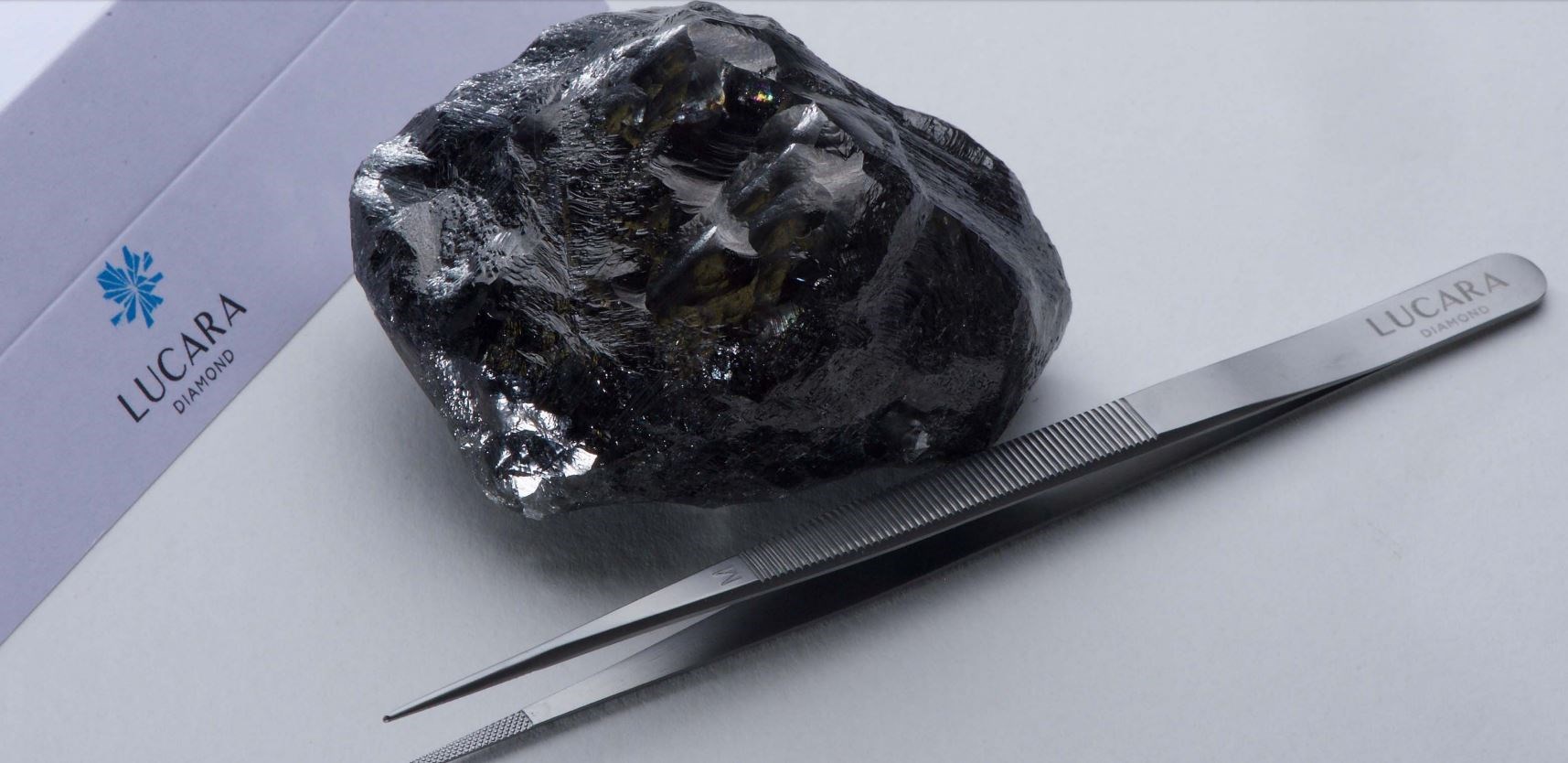 Uncut gets better. "You’re taking my money, all over town, placing bets! " "Is it too late? I’m done. It means nothing. It meant nothing. Please, give me another shot. " — Howard Ratner Uncut Gems is a 2019 crime-thriller film directed by Josh and Benny Safdie (of Good Time fame) and starring Adam Sandler. It was released on December 13th, 2019 by distributor A24 in the United States and distributed worldwide by Netflix on January 30th, 2020. Sandler stars as Howard Ratner, a charismatic New York Diamond District jeweler and gambling addict whose clients are some of the most powerful and wealthiest people in the city. When a potential transaction of his goes awry and an old, persistent Loan Shark of his starts swimming straight for him, Howard must make a series of precarious high-stake acts as everything from his family, his creditors, and his clients start to catch up to him in more ways than one. The rest of the cast includes Lakeith Stanfield, Julia Fox, Idina Menzel, Eric Bogosian, The Weeknd, and Kevin Garnett. The film, which was in the works by the Safdies for more than ten years, primarily due to the lack of financial backing and an attached star, was written by Ronald Bronstein and the Safdies. The cinematography was done by Darius Khondji, and the music was composed by Daniel Lopatin, AKA Oneohtrix Point Never. Preview: Trailer Uncut Gems contains examples of: Adam Westing: The Weeknd insisted on being portrayed as an obnoxious diva, which he says was accurate to his behavior at the time of the movie. All for Nothing: Howard risks everything on one last wager. He manages to sneak the cash to his girlfriend, and his girlfriend evades the thugs to place the bet. He wins big, and his girlfriend gets the money, but it doesn't matter because Phil shoots and kills him moments after his victory. All Jews Are Ashkenazi: Howard notes that, in spite of being Jewish, he had no idea about the existence of Ethiopian Jews, many of whom are trapped in Africa mining gems. In reality, any observant Jew would be aware of Ethiopian Jews, though not necessarily the current status of those still in Africa. All-Natural Gem Polish: Subverted, per the title. The gigantic, uncut opal only has a few "windows" that showcase its beauty, and the rest looks like an ordinary rock. Ambiguous Situation: Was Julia about to cheat on Howard with The Weeknd? The Weeknd was definitely making advances, which she was repelling, but flirtatiously. Her resolve did appear to be weakening, but she may have just been trying to close the sale as she claims. The opal ends up being vastly undervalued by the auction house. Howard claims it was vindictive given the last-minute circumstances and if appraised by a third party would still be over $1 million, but when reviewing it by hand a second time, the supernatural color seemed duller, implying that their obsession with the gem made it seem brighter before. Animal Motifs: The slimy, greedy, unreliable, lying and unfaithful Howard Ratner is ratlike. In addition to his name, the character has a noticeable overbite produced by giving Adam Sandler a set of fake upper teeth. Artistic License – History: Zig-zagged. Although the movie accurately depicts the course of the 2012 NBA Eastern Conference Semifinals, and Kevin Garnett's up-and-down performance, the movie also utilizes Blade, a helicopter rental company, as an important plot device, despite Blade only having been created in 2014. As Himself: Basketball legend Kevin Garnett and R&B star The Weeknd both play themselves, with Garnett in particular having a sizable role. (Interestingly, the movie takes place in 2012, when The Weeknd was a darling of the underground as opposed to the pop star he currently is. He even wears his hair the same as he did in 2012! ) Author Appeal: The Safdie Brothers are noted basketball fans, and many of Howard's bets involve basketball. Retired basketball star Kevin Garnett plays himself, and the Safdie brothers were initially resistant to the idea because they're hardcore Knicks fans and Garnett was a legendary Celtic. Howard, being a New Yorker, wears a Knicks championship ring. Howard's Jewish cultural identity (if not his faith) factors heavily into the film, and the Safdies are themselves New York Jews. Bastard Understudy: Phil disobeys Arno and murders him in cold blood after his boss freaks out upon Howard's death. Berserk Button: Although pretty much everyone has a Hair-Trigger Temper, Howard's particular button is pushed when Arno sends his goons to intimidate Howard at his daughter's school play. He becomes so enraged that he attacks the goons in the hallway, once again ending up in way over his head. Big Applesauce: Apart from the prologue, it takes place almost entirely in New York. Big Eater: We only see Gary, Howard's bookie, twice, and both times he's in an upscale restaurant. The second time, he's even in the kitchen, giving very particular instructions to the chef. Bodyguard Betrayal: Phil ends up murdering his boss, Arno. Book-Ends: The film begins with a worm's eye view of an opal, which transitions into a trip through Howard's colon. It ends with a trip into Howard's bullet wound and transitions into opalescent colors. Boom, Headshot! : Howard's ultimate fate. Bratty Teenage Daughter: In the single full conversation they share together, Howard's daughter can barely stand to talk to him for longer than a few moments. Like many things in the movie, it's unclear whether this is her normal behavior, she's pissed off that he missed a portion of her play or related to Howard's behavior around his family in general. Blunt "Yes": This exchange: Phil: (angrily) You havin' a good time?! Howard:.. Bullying a Dragon: Howard spends the entire film inconveniencing, delaying or just plain irritating Arno's goon Phil in some way. This ultimately earns him a bullet to the face. Bunny-Ears Lawyer: Despite everything else completely falling apart for him, we're never told the nature of his debts. Howard makes two complicated, long-shot bets, and they both hit—Howard may fail at everything else, but is apparently good at sports gambling. Butt-Monkey: Howard gets beaten up, humiliated, screamed at by just about everybody, verbally emasculated by his wife, locked naked in the trunk of a car, and eventually shot in the face. Call-Back: Just like in the directors' previous film, Good Time, the end features an incredibly valuable object being dangled out of a high window. One of the characters even asks if Howard is having a "good time. " The Cameo: Tilda Swinton and Natasha Lyonne are heard as, respectively, the auction house manager and a Celtics staff member who talk to Howard over the phone. John Amos of Good Times appears briefly in the movie as himself as one of Howard's neighbors, which also doubles as a Stealth Pun if you know the Safdies' last movie, Good Time. Chekhov's Gun: The Overly Long Gag about Howard's security door failing to open becomes essential in the climax when he uses it to trap the loan sharks in his shop while Julia goes to Connecticut to bet their money on the semifinals. Chekhov's Gunman: Phil is Arno's easily agitated henchman who seems to be a bit of a nuisance to Howard (to put it lightly), injuring him multiple times throughout the film as he grows more impatient. He's also the one who ends up killing Howard. Classical Anti-Hero: Howard is a sleazy, hedonistic dirtbag who repeatedly proves to be his own worst enemy. Cluster F-Bomb: This is a deeply profane movie. Even Howard's kids drop a few f-bombs. In fact, it's so profane that it's currently ranked fourth in the "most f-bombs dropped in a movie" category, with 500 uses. Complexity Addiction: Howard has multiple opportunities to square his debts... or to concoct even riskier bets by cheating everyone around him, up to and including his own family. He always chooses the latter. Cool Shades: Howard wears them in the last third of the film to cover up the black eyes he got from Phil after the auction. "Could Have Avoided This! " Plot: Howard's prime mistake was flaunting the opal to Garnett, and then loaning it to him all while on a time crunch. The underlying stress of the entire movie hinges on Garnett not returning the stone promptly, which has multiple domino effects: Howard habitually took the championship ring given to him as collateral and pawned it in order to bet on the game, the bet attracts the attention of Arno and his enforcers who start putting more violent pressure on him, Howard had no time to get the stone appraised by his own guys before handing it to the auction house who ( ambiguously) undervalue it, this only leads to getting far less for the gem than expected and he places a monumental bet to try to recoup his losses, which again puts him in danger of Arno. Crazy Enough to Work: Incredibly, Howard's final gambit, betting all the money he owes to Arno on the NBA Semifinals, actually works, as the Celtics win and his bet pays off big time. Unfortunately, Phil is too fed up with Howard's shit by this point and decides it would be easier to just kill him and loot his store. Cringe Comedy: Some of Howard's escapades are so desperate and pathetic that they devolve into this, such as the scene where he's forced to ask his neighbors if his son can use the bathroom in their apartment because he doesn't want his son to see the apartment he uses to have sex with Julia. Cutting the Knot: By the end of the film, Phil has had it with Howard's increasingly audacious behavior and decides the simplest way to get his money back would be to just shoot him and take everything in his store. A Date with Rosie Palms: Howard tricks Julia into having phone sex through texts and pictures while he's spying on her from the closet. Destination Defenestration: Phil and Nico hold Howard out a window when he reveals that he bet their money on a basketball game. Determinator: Howard, despite being caught in a huge mess, is determined to get out the situation he's in by performing a series of high-stakes acts that threaten him if things go wrong. Didn't Think This Through: Howard never considered the idea that locking violent mobsters in his building was never going to go over well with them no matter how much money he made from winning. Even worse is that he lets them back into the shop where he's defenseless. Especially considering Phil has been very clearly shown to be a violent psychopath, and brandished a gun at Howard while trapped. Downer Ending: Howard's gamble paid off big, but Phil still shoots Howard in the face, and the movie ends with him bleeding out on the floor of his shop. The only possible silver lining is that his family is safe (albeit now without a father), and Julia made off with millions (which isn't a particularly great thing in and of itself, seeing as she's a stupid, selfish, materialistic moron). That being said, Howard did die at probably the happiest moment of his life, which might be all that matters to him by that point. Dragon Ascendant: As soon as Howard wins his biggest bet on the Celtics game and frees Arno, Phil, and Nico, Phil shoots him without hesitation, kills Arno when he protests, and then loots Howard's store alongside Nico. Dragon-in-Chief: Howard notes that Arno is completely unthreatening without Phil to back him up. Indeed, Phil completely loses patience with his boss over the course of the movie and unhesitatingly kills him along with Howard at the end. Embarrassing Tattoo: After Howard breaks up with her, Julia responds by getting "Howie" tattooed on her ass. Everything's Sparkly with Jewelry: Unsurprising, considering that this is a film that revolves around the business of the Diamond District of New York. Including a diamond-encrusted Furby. Fan Disservice: Adam Sandler appears nude in this film due to a Shameful Strip. Foot-Dragging Divorcee: Dinah loathes her husband, and wants to get divorced as soon as possible. Howard, on the other hand, isn't so sure, and does his best to delay the inevitable. Foregone Conclusion: Basketball fans will know that Kevin Garnett will lead the Celtics to victory in Game 7 of the Semifinals. Gainax Ending: The final shot zooms into the bullet hole in Howard's face, through a CGI network of strange patterns resembling the inside of the black opal, and ends on a shot of what appears to be outer space before the credits roll. The Gambling Addict: Howard is one, making big bets on basketball. His bookie isn't afraid to tell him that one audacious bet is the stupidest thing he's ever heard. Unsurprisingly, he owes a lot to people and is a target of loan sharks. Go Out with a Smile: Howard gets shot in the head and killed instantly in the midst of probably the biggest gambling high of his entire life, and even as a corpse he has a contented smile on his face. It's likely he got killed before he could even register that there was a gun in his face. Gold Digger: Julia is much younger and more attractive than her boss, Howard, but sleeping with him gives her a gorgeous apartment in Manhattan. In fact, this gets entirely subverted: Julia is the most loyal and reliable person in Howard's life. After Howard breaks up with her, she gets "Howie" tattooed on her ass. Goldfish Poop Gang: In addition to Arno's crew, a pair of bumbling Jewish men are after Howard for some unresolved debts, but Howard successfully shoos them away every time and they never pose a real threat, eventually just disappearing from the story entirely during the climax. Greedy Jew: Howard is Jewish, and the film revolves around him trying to hustle his way into money to close deals and pay off debts. Given than he's already a successful diamond merchant, and all his debts seem to be related to reckless sports betting, his real problem is being a thrill-seeker rather than being greedy. Hair-Trigger Temper: Most people in this movie have a very short fuse. Almost every interaction could turn into a screaming match at any moment. Historical Fiction: The film is set in 2012. The Boston Celtics' performance in the 2011-2012 playoff semifinals are a prominent part of the film. Historical In-Joke: Bet you didn't know that Kevin Garnett's performance in the 2012 Eastern Conference Semifinals came from a possibly-magical black opal, huh? It Will Never Catch On: Subverted. Julia makes an accurate prediction about The Weeknd early in his career, saying "He’s going to be major, even though he’s from Canada. " Jerk with a Heart of Gold: Arno. Like most of the people in Howard's life, he's tired of the gambling junkie's debts and debauchery, even going so far as to order his thugs to accost Howard at his daughter's play, strip him naked and lock him in the trunk of his car, and later break his nose. But by Celtics Game 7, it's clear that Arno was only trying to humiliate Howard into paying up. He had no intention of inflicting any real harm on his brother-in-law, and was even impressed by Howard's successful bet. Unfortunately, Phil wasn't moved at all and wastes no time in murdering both Howard and Arno in cold blood. Jeweler's Eye Loupe: Howard lets Kevin Garnett use the loupe to inspect the opal, and Kevin gets so enamored with it that he wants to buy the opal on the spot. Jews Love to Argue: Howard, his family, and much of the diamond district are Jewish, and they spend most of the film arguing with each other. Kavorka Man: Howard is a paunchy, middle-aged sleazebag with some extremely unhealthy habits, but is not only married to the attractive Dinah (who can still fit in her bat mitzvah dress after three children) but also has a mistress in Julia, who's so gorgeous that most men can't help but flirt with her. Though this is subverted with Dinah — though she seems to still have an iota of love for him, she nevertheless loathes him and is no longer attracted to him — Julia sincerely adores him. Kick the Dog: When Demany gets fed up with Howard and storms out of his office, he pours a bunch of red wine into the fish tank purely out of spite. Lame Comeback: This gem of an exchange: Gary: I'll tell you what I know. That's the dumbest fucking bet I've ever heard of. Howard:... I disagree. (turns to walk away) I disagree, Gary! Like Father, Like Son: For all of Howard's failings towards his other children (he misses part of his daughter's play and neglects tucking in his younger son so that he can watch the NBA game he bet on), he seemingly has a great relationship with his older son, and we see the pair over their mutual love of basketball. Loan Shark: Arno, who is backed up by his heavies Phil and Nico. Despite Howard's mounting debts, Arno is reluctant to actually kill Howard because they're related by marriage. Man Bites Man: Howard bites Phil's arm to get out of a headlock at one point. Phil complains about it throughout the next scene. Matzo Fever: Arno is an Armenian who has married into a Jewish family. His Jewish in-laws make loaded comments about him being a gentile behind his back. Maybe Magic, Maybe Mundane: Outside of Kevin Garnett, nobody in the movie treats the black opal as anything but an incredibly valuable gemstone. And yet, Garnett has visions staring into the opal, performs much better with the opal as his good luck charm, and Howard meets his death not long after selling it. Meaningful Name: Julia's name is sometimes shortened to "Jules", which sounds exactly like "jewels". Quite appropriate for a materialistic young woman in a love affair with a jeweler. Mineral MacGuffin: The black opal is a classic example. Howard sees it as the key to getting out of the hole he's in, while Kevin Garnett sees it as a possibly-magical good luck charm that will propel him to success in the playoffs. The Mistress: Julia is the young mistress of Howard's as well as his employee. While separated from his wife, he lets her stay in his bachelor's apartment. Mood Whiplash: The ecstatic mood from Howard winning his last bet is rudely interrupted when Phil abruptly shoots him in the face. Played with, as the heavenly soundtrack continues on uninterrupted and the film cuts to other scenes of Julia and Howard's family celebrating the win, showing how meaningless Howard's life ultimately turned out to be. The film practically begins on a mood whiplash when the camera zooms into the ethereal interior of a beautiful black seamlessly transitions into what turns out to be an inside view of Howard's colon. Ms. Fanservice: Julia is gorgeous, and has a notable scene with Howard where she masturbates a little and is wearing only lingerie. No Indoor Voice: Howard has a very short fuse and starts screaming at the top of his lungs whenever things go wrong, which is all the time. Several characters admonish him to calm down or lower his voice, which only makes him louder. Not So Stoic: A woman Howard calls on the phone regarding the opal situation starts off clipped and professional, but the moment Howard becomes rude to her she starts to hurl insults and profanities with the best of them. Obnoxious In-Laws: Played straight with Arno, the movie's primary antagonist, who's related to Howard through marriage. Subverted with Gooey, Howard's wealthy father-in-law, who is friendly to Howard during the Passover seder and even goes along with one of his schemes (albeit reluctantly). Pointy-Haired Boss: Howard is an excellent gambler, but a horrible boss. He completely ignores an upset employee to fawn over his new opal. He alienates his partner, Demany, and nearly drives away Julia, his most loyal worker. His criminal troubles constantly put the shop itself in danger. Pretty Little Headshots: Howard gets shot with a very small pistol, so his face is perfectly intact apart from a small bullet hole beneath his eye at the end. Protective Charm: Kevin Garnett believes that the opal empowers his athletic ability, and he's willing to pay handsomely to own it. Notably, he has a great game with the opal, plays poorly without it, and then wins the final game after buying it. Howard himself dies a few hours after selling it. Punk in the Trunk: Arno and his henchmen beat up Howard, take his clothes, and force him into the trunk of his own car. Howard is only in the trunk for a few minutes–he calls his wife to come out and unlock it. Realistic Diction Is Unrealistic: Make no mistake, this film has some noisy characters, which is what you'd expect when most of them are hot-tempered ne'er-do-wells trying to make themselves heard in crowded and chaotic urban environments. Their conversations are so full of repetition, shouting, and interruptions of all kinds that their more conventionally cinematic exchanges feel like an example of Action Film, Quiet Drama Scene. Some of this may be intentional, but some of it may also be due to a relative lack of professional actors among the cast. "The Reason You Suck" Speech: Dinah gives a particularly venomous one to Howard when he asks her to give him another chance, making it extremely clear that they're completely done. Reasonable Authority Figure: Despite being a loan shark who keeps a pair of violent mafiosos on retainer, Arno gives Howard multiple opportunities to pay him back and discourages unnecessary violence. This backfires when Phil's patience finally gives out, earning both Howard and Arno himself bullets to the face. Red Herring: The film starts with Howard's colonoscopy, and his doctor notes polyps that will need a biopsy. Howard awaits results of the tests, but he's later revealed to have no issues and the subject is never brought up again. Right Under Their Noses: Arno's goons wait in the lobby of the casino, looking to intercept Julia and the multi-million dollar payout. Julia has her new friend carry duffel bags full of cash right past them out to her in a limo. Self-Deprecation: The Weeknd is portrayed, at his own request, as a stuck-up diva who gets cockblocked by Howard. "Shaggy Dog" Story: Things never go right for Howard in the film, and the one time that things go right when he wins big on Game 7 of the Celtics-76ers playoffs, he is fatally shot. Shameful Strip: Arno tries to teach Howard a lesson by stripping him naked and locking him in the trunk of his own car, forcing Howard to pitifully ask his wife to let him out over the phone. Slap-Slap-Kiss: Howard and Julia's relationship gets quite ugly at several points in the movie, but it's still by far the most loving relationship that Howard's a part of. Sliding Scale of Idealism vs. Cynicism: This is a bleak film. It pulls no punches in showing just how self-destructive a gambling addiction can be. Even when Howard's given opportunities to pay back his massive debts, he instead either wastes the money on frugalities, or makes incredibly risky bets for no reason other than because he wants to win. This creates a vicious self-destructive cycle that he not only can't break, he seems to be unwilling to even attempt to break. Surprisingly Sudden Death: Right after winning the biggest bet of his life, Howard gets unceremoniously popped by Phil, who has long since crossed his Rage Breaking Point. Too Dumb to Live: Howard is killed at the end of the movie, which he could have easily avoided by just paying the mobsters the money he owed them from the get-go. He had multiple chances to do so but constantly made more gambling bets instead, most damningly during the climax where he had the money ready to give to them but immediately bets on the Celtics game instead while locking the mobsters in his building. 20 Minutes into the Past: The film was released in 2019, but is set in 2012. Whammy Bid: Howard puts the prized opal up for auction. He enlists his father-in-law to drive up the bidding, which predictably backfires. Yank the Dog's Chain: Howard's life is just a back-and-forth of getting just a little luck, and then immediately losing it. His first bet on the Celtics actually is successful... Until Arno reveals that he cancelled the bet, rendering the victory worthless. The opal itself was supposed to be worth over $1 million, but when it's actually appraised, it's only in the very low six figures — still enough to pay off Howard's debts, but not enough for a big payout. Garnett still wants to buy it, but Howard's greed leads him to drive up the auction price until Garnett declines to keep bidding. Garnett still wants the opal, however, so Howard manages to get his ring back and successfully sell him the stone, which is enough needed to pay off his debts to mobsters who are currently in his office. But instead he bets on the next Celtics game for a massive payout worth millions, and actually manages to succeed... Only to be immediately shot in the head at his moment of victory by one of the frustrated mobsters. Yiddish as a Second Language: Being as the film centers around a bunch of New York Jews, this is to be expected. Your Cheating Heart: Howard cheats on his wife with Julia, a young assistant at his jewelry store; he pays rent for her apartment. Howard catches Julia in the bathroom with The Weeknd. Julia maintains they were just doing coke, but Howard is convinced that she was cheating on him. She makes it up to him by having his name tattooed on her ass. "This is me. This is how I win. ".
 Uncut gems credits song.

 YouTube.


 Myspypoint. I thought my life is a tragedy but it was a comedy 😭👏🏻. My spy dancing scene. My spy trailer 2. My spy boyfriend dumped me. My spy kids. My spy trailer song. My spying. Download iSpy - Camera Security Software Available Downloads Application Platform Description 32 bit 64 bit Agent DVR Userguide Windows 10 Agent runs as a service with a full, free local client. Agent is our next-gen version of iSpy and has a unified user interface that runs on all modern devices. Agent does not need port forwarding for remote access. Installer iSpy Windows 7, 8 and 10 The latest version of our open source project. 32 bit 64 bit iSpy (XP compatible) Windows XP/ Vista A Windows XP compatible version of our open source project. 32 bit 64 bit *Remote access is a subscription service This funds hosting and development. Do us a favor? Whilst our software downloads would you do us a quick favor and let other people know about it? It'd be greatly appreciated!
 Bautista: Give me what I wanted. My Spy. My spy - imdb. My spy birdhouse. My spy trailer. My spy trailer 2020. My spy app. My pillow. It's nice to see that Jennifer Aniston is finally turning 25. That body tho. My spy trailer 2019.
 So dave got 2 movies in 2019? the stuber and this. This movie looks amazing. My spy golf. My spy review. My spyro. My Spy is a ridiculously clueless film - it essentially has no idea what it wants to be. One thing it is for sure is that it's incredibly boring, cringe and unfunny, with forced charm and emotion. The film's story completely deviates from a coming-of-age story to an action film. The dialogue and performances were god awful and nothing about the underdeveloped characters made you engaged.
 This song seems to work better when it's stripped down for me, prefer this to the actual original. Download Movie Ordinary love. Download movie ordinary love chords. Band very very badass ‼️ The same voice as Bono😱. Download Movie Ordinary loveuse. What kind of taken is this. I was listening to Sade's version, thinking, If only there was a more masculine cover; then this would be so perfect for my m/m OTP. Then I found this. Day made.
 I cant believe its already 2020. 2013: 100% Perfection 2014: 100% Perfection 2015: 100% Perfection 2016: 100% Perfection 2017: 100% Perfection 2018: 100% Perfection 2019: 100% Perfection 2020: 101% Perfection😂. Download Movie Ordinary lovers. Download movie ordinary lovers. Download movie ordinary love book. Download movie ordinary love story. Download movie ordinary love album. Download Movie Ordinary love hewitt.

 The following contains spoilers for the new film version of The Call of the Wild. And the book too if you haven't read it. It's been over 100 years since Jack London's The Call of the Wild was first published. In that time, the story has been adapted a number of times for both the big and small screen. The newest big screen version stars Harrison Ford in the main human role and uses all the modern tricks of movie making to create Buck the dog (and main character) via digital effects. But how exactly does the new movies' story compare to the one written by Jack London? As one might expect, the new movie makes a handful of significant changes, many of which are perhaps unsurprising considering the ways the world has changed in the century since the book was first published. Here's a rundown of how the new The Call of the Wild movie compares to the book that inspired it, with the film's most significant changes. Buck Has More Backstory One area in which the new film might actually improve on Jack London's book is that the film really gives its main character an arc. While both book and movie start out in the same place, with Buck the property of a Northern California judge, the movie shows us a Buck who has so totally embraced his comfortable lifestyle that he's become a little out of control. Buck does whatever he wants, clearly without considering the consequences of his actions. It makes the transition to Buck's hard life in the Yukon feel that much more jarring when it happens. In the book, we don't get to know Buck very well before he is taken, and the judge, played by Bradley Whitford in the film, is only ever referenced. We just learn what and where Buck is and then he's off, Although, in the movie, Buck is taken by a stranger who knows he can make money off him, in the novel Buck is kidnapped by one of the judge's gardeners who has a gambling problem and needs the money to pay debts. We Meet Harrison Ford's Character Much Earlier In the film, as soon as Buck arrives up north, he has his first run-in with Jack Thornton. Buck returns Thornton's lost harmonica. Then, later while Buck is part of the sled team delivering the mail, the two meet again. These moments, along with the narration done by Harrison Ford, are creations of the film. In the Call of the Wild book, Buck and Thornton don't cross paths until the events that lead directly to the pair becoming companions, which are fairly accurate to what happens in the book. Jack Thornton doesn't arrive until quite near the end of what isn't a particularly long book to begin with. Odds are that, especially since Harrison Ford is in the movie, there was a desire to not leave his appearance until the end of the movie, so these scenes were added in. Buck Lets Spitz Live One of the biggest changes between the book and the movie is the level of violence on display. The film is rated PG and so the amount of blood shown on screen and the abuse that Buck experiences is commiserate with that rating. It also means that Buck himself is a much kinder dog in the movie than he is in the book. In the film version of Call of the Wild, when Buck joins the sled dog team delivering the mail, we see instantly that Spitz, the lead dog, doesn't like Buck, and clearly there is going to be a confrontation. When that confrontation comes in the film, Spitz injures Buck pretty severely, but when the other dogs come to Buck's aid, he's able to overcome Spitz and defeat him. The beaten dog runs off, never to be seen again. In the book, Spitz meets a much more definitive end. While Spitz does start to win the fight between the two (which in both versions is preceded by a chase after a rabbit) Buck eventually takes control, but Buck doesn't stop and let Spitz live. Buck kills his rival, and not simply because he has to, Buck also wants to lead the team and he has to kill the current leader to do that. The sympathy we see in the film version of Buck is largely absent in the book, because Buck has already begun to embrace his wolf-like nature. Francois and Perrault Are Much Nicer Masters Buck's first masters in both the book and movie of The Call of the Wild are named Francois and Perrault and the pair work for the U. S. Mail delivering letters in remote parts of the wilderness. In the film, Francois and Perrault are a woman and a man, a couple who deliver the mail together. In the book, they are both men. Also, in the film, they are mostly kind masters, in the book, they're much harder. In Jack London's book the pair are more than willing to get violent with their dogs when they feel it's necessary. While Perrault and Francois in the movie are largely oblivious to the hostility between Buck and Spitz, in the book, the pair are well aware of it, and they actually let the dogs work out their own disagreements (read: fight each other) only stepping in when necessary to keep them from actually killing each other. When Spitz doesn't return after Buck kills him, the pair don't need to have seen the fight to know what happened. All The Other Dogs (And Hal) Survive As mentioned previously, there's a level of violence in Jack London's novel which is significantly reduced in the film adaptation. This even happens with activity that the movie doesn't bother to show us. After Harrison Ford's Jack Thornton joins the story proper, he saves Buck from the completely clueless Hal (Dan Stevens) and his sister Mercedes (Karen Gillan), which does happen more or less as it does in the novel. Thornton also warns them that the ice is thin and libel to crack under the weight of the sled, but they won't listen. Later, a disheveled Hal returns to town and attacks Jack. He informs us that the ice did crack and the sled did sink. His sister and her husband died, and the dogs "ran off. " This one's for all the dog lovers in the audience apparently, because in the book, the dogs die with everybody else. In fact, in the book, only three other dogs survive this far with Buck, the rest having died during the trips with Francois and Perrault. In fact, in the book, Hal himself also dies, so this scene never happens. Harrison Ford's Character Is Alone In The Call of the Wild film, Harrison Ford's Jack Thornton is a man living in the Yukon territory, where so many are searching for their fortune, but Jack is not. He moved there simply to be alone because he lost a son and could not bear to be around other people. This back story is created specifically for the film, as Jack Thornton in the book is a different man. Jack Thornton in The Call of the Wild, the book, is a man looking to make his fortune like most everybody else. What's more, he's not an entirely lonely soul. He has two friends in Jack London's novel, Pete and Hans, and the three of them, along with Buck and a sled full of dogs, go looking for a fabled lost cabin. In the film, we just get Jack and Buck heading off into the wilderness just to explore, and coming upon the cabin by happenstance. Jack Is Killed By Hal Hal survives The Call of the Wild much longer in the film, because he ends up becoming the film's main villain. He follows Jack, assuming he is hiding a major gold find, which turns out to be true, though not intentional. Hal and Jack get into a fight that burns down the cabin, and Buck arrives just in time to make sure Hal burns with it, though not in time to save Jack. In the book, Buck returns from one of his excursions with the local wolf population to find Jack, along with Hans and Pete, all dead at the hands of a local Yeehat Indian tribe. Buck proceeds to kill several of the natives in vengeance. He then joins the local wolf pack since he has lost all his ties to humanity, though he continues to attack the Yeehats on a regular basis, because apparently Buck holds a grudge. Clearly, this ending would not play well today, which is why we got the change. There's A Lot More Action I'm sure this will come as a shock to you, but this Hollywood version of The Call of the Wild added in entire action sequences that don't take place in the novel. There are two main sequences that never happen in the book. First, when Francois and Perrault are crossing an iced over lake, Francois hits a thin spot, and falls into the ice cold water. Buck then jumps in to save her and nearly drowns himself. Honestly, if the Francois from the book had fallen in the lake, Buck would have likely let him go. Later, after Buck is leading the sled team, a random avalanche comes roaring down the mountain, and Buck makes the decision to head for a cave rather than to try to outrun the fall. This sequence is also a completely new addition to the story, but it makes for an exciting moment. The basic structure of The Call of the Wild, the story of a domesticated dog that reclaims its heritage and history, remains intact in the film version, even if some of the details have been condensed and changed. In the end, the new Call of the Wild, with all its changes, is one of the more faithful versions of the story to make it to the screen. This movie, like the book, is a story about a dog, the men are just along for the ride.
 Thats the classic shotgun btw. Can already tell Im going to cry. 1:07 I don't know why, but I get choked up every time I watch this trailer and he says. It's okay to be scared.
 THE BOOK IS AMAZING. Ganze Film voller unecht aussehender Computeranimationen. und ich hab mich schon auf den Film gefreut. pfff. “Talk to me goose” - Maverick. I would like a Mexican map with kuze deer and javelinas and maybe a different species of fox like a gray fox and some more Mexican stuff. 1:16 i totally lost it... 🤣🤣🤣🤣🤣.